
Skip to content
Attraction Google Ads
Attraction · Google Ads

Google Ads for event services. Run by people who know why yours didn't work.

Intent-first campaigns that capture right-fit buyers at the moment they go looking, measured against pipeline, not clicks.

Start with the EEPS Assessment
Sound Familiar?

You've probably run Google Ads before. It probably burned money.

Here's how it usually goes for an event business. An agency sets up campaigns on the obvious keywords. The clicks come in. The report looks busy.

Then you read the search terms. Students researching the industry. Consumers looking for a party. And the big one: people trying to market their own event, clicking ads meant for people who deliver them. You paid for every single one.

The problem was never the channel. It was running a volume playbook in a market that doesn't work on volume.

Why does Google Ads work differently for event businesses?

Three reasons, and they change everything about how campaigns should be built.

01
Your buyers barely register in keyword tools.

A marketing director searching "hybrid conference production company manchester" shows up as near-zero volume. The tools say ignore it. That search is worth six figures. We build intent-first: the specific, low-volume, high-stakes searches your actual buyers make.

02
The click is the start, not the end.

Event deals take weeks or months and involve several people. Judging a campaign on last week's form fills kills the exact keywords that win the biggest work. We measure to pipeline and revenue, so the data tells the truth.

03
Your market attracts expensive noise.

Without ruthless search-term discipline and negative keyword work, you fund clicks from students, consumers and people marketing their own events forever.

How we run Google Ads inside EEPS

Campaigns are built from your market outwards. The keyword strategy comes from how event buyers actually search, not what a tool suggests. Landing experiences match the service and the searcher. Negative discipline runs weekly, not quarterly.

Then the system does what channels alone can't. First-party tracking from the Architecture pillar feeds real conversion data back into bidding, so Google learns from won pipeline instead of form fills. Authority content warms the buyers who click but aren't ready. Automation makes sure no enquiry sits unanswered while your team is on site.

02 GOOGLE ADS ARCHITECTURE WON-PIPELINE SIGNAL
Part of the Attraction pillar
Explore the Attraction pillar
Includes
Intent-first keyword strategy Campaign build & restructure Landing page experiences Search term & negatives discipline Pipeline-level measurement Ongoing optimisation
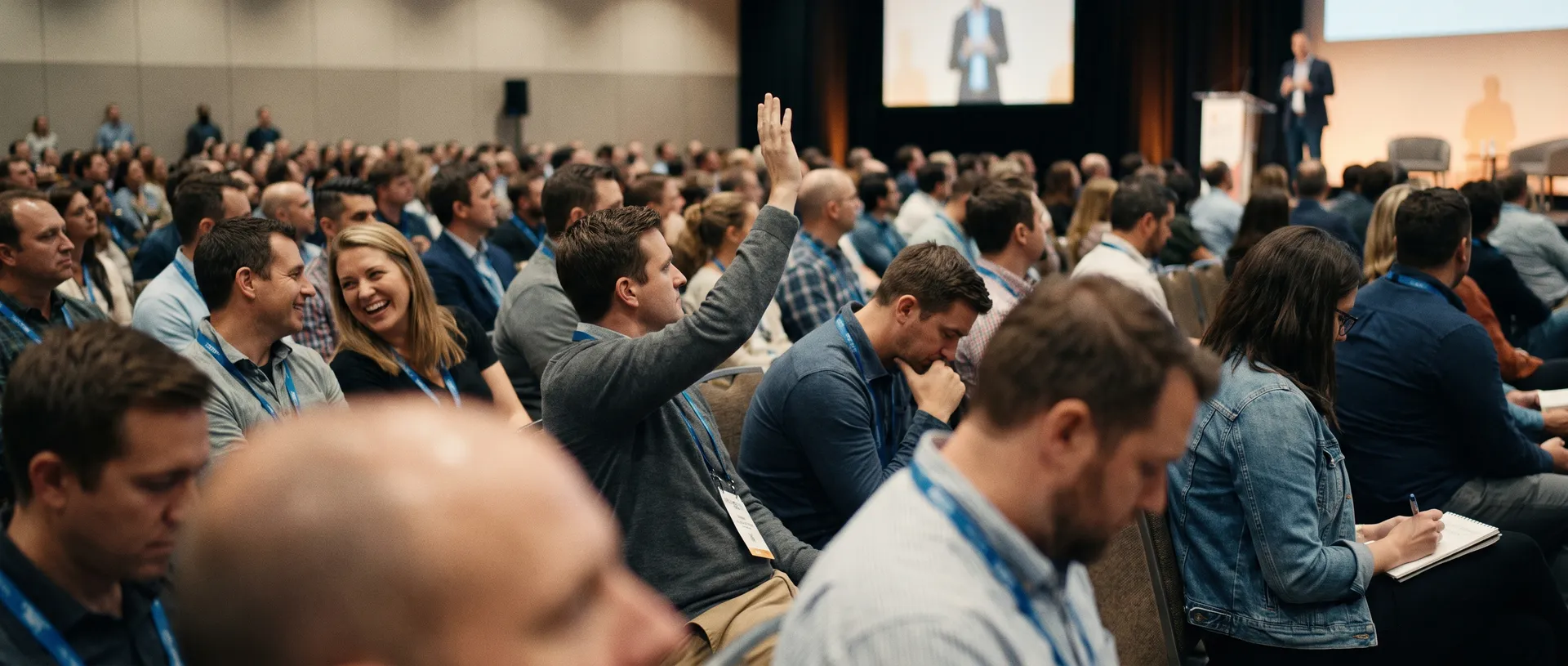
Packed B2B conference audience
£744k

Eclipse Global: predictable annual revenue, built on Google Ads inside the full system. Not overnight. Built properly, then compounding.

Read the case study →
Questions

About Google Ads.

How much should an event business spend on Google Ads?+

Less than you'd think, aimed better than you'd expect. Budget follows the assessment: your market's search behaviour, your service mix and your capacity set the number, not a rate card.

We tried Google Ads and got leads that went nowhere. Why would this be different?+

Because the failure you experienced is the volume playbook, and we don't run it. Intent-first targeting, negative discipline and pipeline measurement exist precisely to solve the wasted-click problem you're describing.

How long until it pays for itself?+

Honest answer: the first months are learning and tuning. Then it compounds, and one won contract typically covers a long stretch of investment. If you want the 90-day fireworks pitch, we're the wrong agency.

Capture the searches that matter. Skip the ones that don't.